Manual of product KawaQ
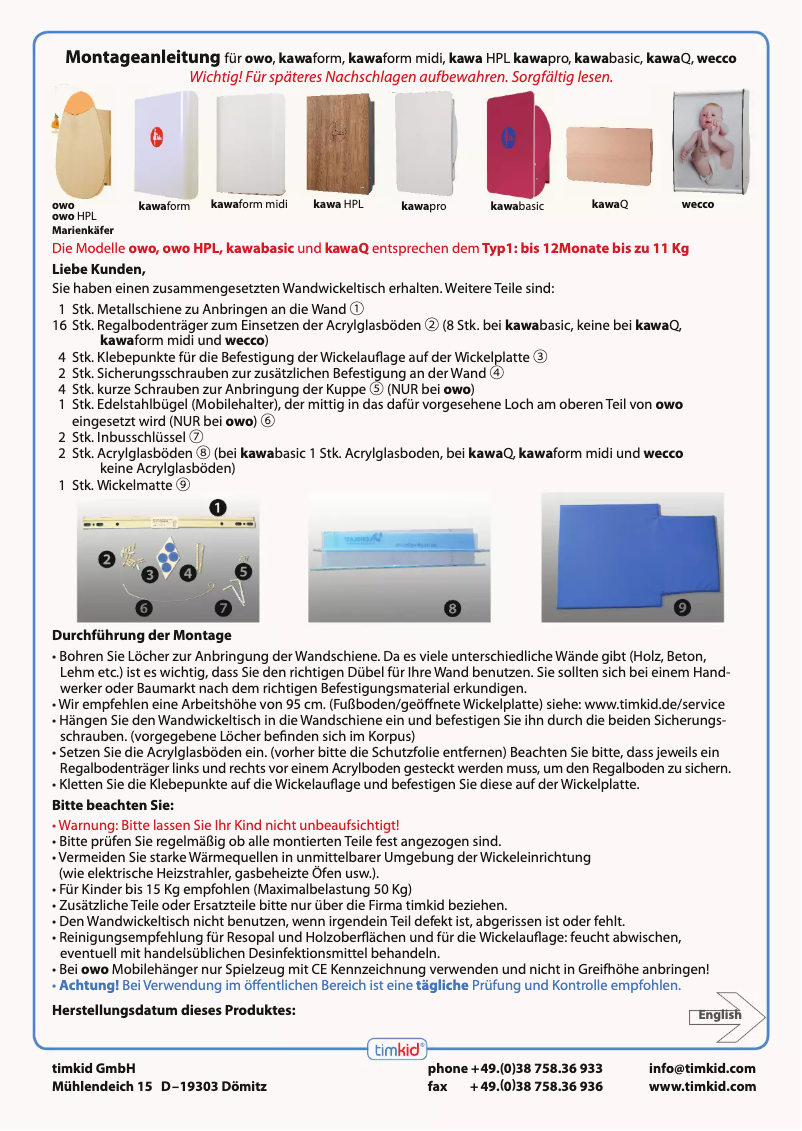
Editorial note
The Timkid KawaQ stands out due to the reputation of its brand, known for its quality and innovation. This model promises optimal performance, providing a pleasant user experience thanks to a design aimed at meeting the varied needs of users. The inclusion of a user manual facilitates handling, allowing for effective use right from the start. However, some drawbacks deserve to be highlighted. The price of the KawaQ can be relatively high compared to lesser-known alternatives, which could deter some buyers. Additionally, the product may lack advanced features found in competitors. The manual, while helpful, may not be sufficient to resolve technical issues, thus limiting user autonomy. Finally, the limited availability of spare parts could pose problems in case repairs are needed. In terms of scores, the user experience is particularly well-rated at 85, reflecting overall satisfaction. Performance, rated at 80, is deemed optimal for daily use but could be improved. The value for money is rated at 70, indicating that the cost could be a barrier for some consumers. Documentation and support, with respective scores of 65 and 60, show that while resources are available, improvements would be desirable. Finally, repairability is rated at 50, signaling concerns regarding access to spare parts. In summary, the Timkid KawaQ is a reliable and high-performing product aimed at users seeking a quality device, but it must also consider its cost and the availability of technical support.Score details
User experience
The user experience is enhanced by the product design that meets the varied needs of users, making it enjoyable to use.
Performance
The performance is optimal for daily use, but it may be limited compared to other products that offer advanced features.
Value for money
The product can be relatively expensive compared to lesser-known alternatives, which may deter some buyers.
Documentation
The user manual is included, but it may not be sufficient to resolve technical issues, thus limiting user autonomy.
Support
There is little information and feedback available online, making it difficult for potential buyers to make a decision.
repairability
The availability of spare parts may be limited, which could pose problems in case repairs are needed.
Advantages
Timkid brand: recognized quality and innovation.
Optimal performance for daily use.
Manual included for easy handling.
Versatile design suited for various needs.
Careful details, commitment to excellence.
Disadvantages
Expensive product compared to the competition.
Few available user experiences.
Lack of advanced features.
User manual is not detailed.
Spare parts are difficult to access.
Technical Specifications KawaQ
General Information
-
ModelKAWAQ
-
Brand
-
Category
-
Type
-
SKU1192456
-
MPN1192456
Frequently Asked Questions
Is the Timkid KawaQ manual available in French?
Similar products


More product categories from brand Timkid
More product types from brand Timkid


Presentation of product KawaQ specifications from brand Timkid
General Information
The Timkid KawaQ is a product from the renowned brand Timkid, known for its commitment to quality and innovation in the home appliance sector. This model, the KawaQ, is designed to deliver optimal performance, thus ensuring an enriching and satisfying user experience.
One of the strengths of the Timkid KawaQ lies in its versatility. It is crafted to meet the varied needs of users, making it suitable for different everyday usage situations. Additionally, a user manual is provided, which facilitates handling and allows for effective use from the start.
However, it is important to note some potential drawbacks. First, the Timkid KawaQ may be considered relatively expensive compared to lesser-known alternatives, which could deter some buyers. Furthermore, there is little information and feedback available online, making the purchasing decision more complex for potential customers.
Moreover, this model may lack certain advanced features found in competitors. Although the user manual is helpful, it may not be sufficient to resolve all technical issues, which could limit user autonomy. Finally, the availability of spare parts may be restricted, posing a potential challenge in case repairs are needed.


