

Manual of product Trafic (2019)
Editorial note
The Renault Trafic (2019) stands out for its versatility and generous space, making it an ideal choice for both professionals and families. Its spacious interior and modern technologies contribute to a pleasant driving experience, although noise inside the vehicle may detract from comfort during high-speed journeys. The reputation for reliability of the Renault brand also ensures appreciable longevity and reduced maintenance, reinforcing users' confidence in this model. However, some drawbacks should be considered. Driving comfort may be limited on long distances due to a suspension that feels firm. Additionally, the interior storage space may not be sufficient for everyone, especially during professional trips requiring a lot of equipment. Finally, while the Trafic offers good fuel economy, its consumption may be higher than that of some competitors, leading to increased operating costs. Overall, the Renault Trafic (2019) offers good value for money, particularly for professionals. The well-detailed user manual facilitates optimal use of the vehicle, highlighting Renault's commitment to its customers in terms of support and documentation.Score details
User experience
The user experience is generally positive thanks to modern technologies that enhance comfort, but the noise inside can affect driving at high speeds.
Performance
The performance is satisfactory for a utility vehicle, although fuel consumption may be higher than that of some competitors.
Design
The design is spacious and versatile, with a wide range of customization options, although some may be limited.
Value for money
The Renault Trafic (2019) offers good value for money, especially for professionals, but operating costs may be higher due to fuel consumption.
Usability
The cargo space is generous, but the interior storage space may be insufficient for some users, especially during business trips.
Support
The reputation for reliability and durability of the Renault brand ensures reduced maintenance and increased confidence in the product.
Documentation
The user manual, well detailed with 298 pages, provides all the necessary information for optimal use of the vehicle.
Advantages
Generous cargo space
Modern comfort and advanced technologies
Renault reliability and durability
Energy efficiency and fuel savings
Various customization options
Disadvantages
Limited driving comfort on long distances
Disturbing interior noise at high speed
Insufficient storage space for some
High fuel consumption
Limited customization options
Technical Specifications Trafic (2019)
General Information
-
ModelTRAFIC (2019)
-
Brand
-
Category
-
Type
-
SKU1137194
-
MPN1137194
Frequently Asked Questions
How do I convert miles to kilometers?
Where can I find the VIN number of my Renault?
What is the VIN number?
How often should I have my Renault serviced?
When should I change the brake fluid in my Renault?
What is the difference between E10 and E5 gasoline?
What should I do if one or more doors do not open from the inside?
What should I do if my car radio does not turn on?
Is the manual for the Renault Trafic (2019) available in French?
Similar products


More product categories from brand Renault
More product types from brand Renault


Presentation of product Trafic (2019) specifications from brand Renault
General Information
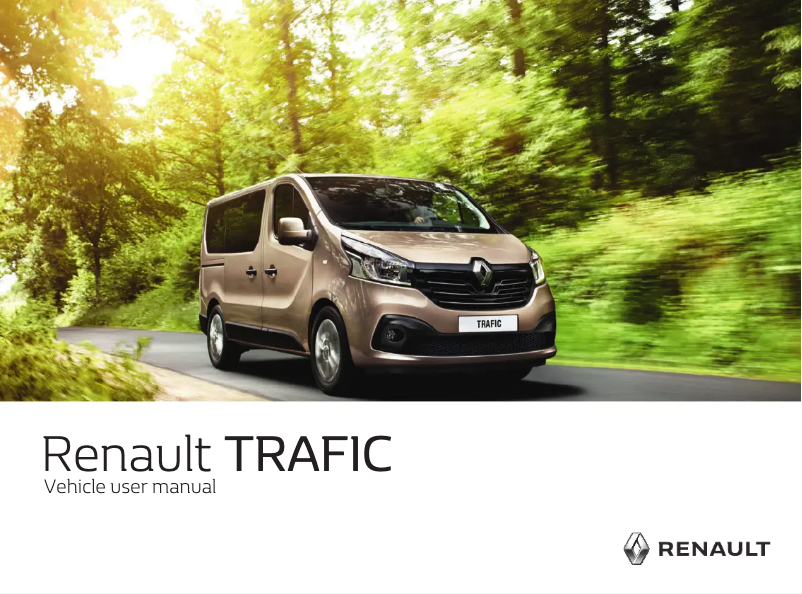
The Renault Trafic (2019) is a utility vehicle from the renowned brand Renault, known for its commitment to quality and innovation in the automotive sector. This model, the Trafic (2019), offers reliable performance and a pleasant driving experience, suitable for both professionals and families.
Advantages
The Renault Trafic (2019) stands out for its spacious design, providing a generous loading volume, ideal for transporting goods or equipment. Designed for comfort, it incorporates modern technologies that enhance not only the driving experience but also the well-being of passengers. Its reputation for reliability and durability, characteristic of the Renault brand, ensures appreciable longevity and minimal maintenance. Additionally, its energy efficiency helps reduce fuel costs while having a limited environmental impact. Finally, a wide range of customization options allows the vehicle to be tailored to specific needs.
Disadvantages
However, some aspects may be less favorable. Driving comfort may seem limited on long journeys due to a suspension that can feel too firm. Moreover, noise inside the vehicle, particularly at high speeds, can detract from the driving experience. The storage space inside may also prove insufficient for some users, especially during busy professional trips. Furthermore, fuel consumption may be higher than that of some competitors, leading to increased operating costs. Lastly, the customization and equipment options may be less varied than those offered by other utility vehicles, not always meeting the specific needs of each user.


