
Manual of product 300 CE (1988)
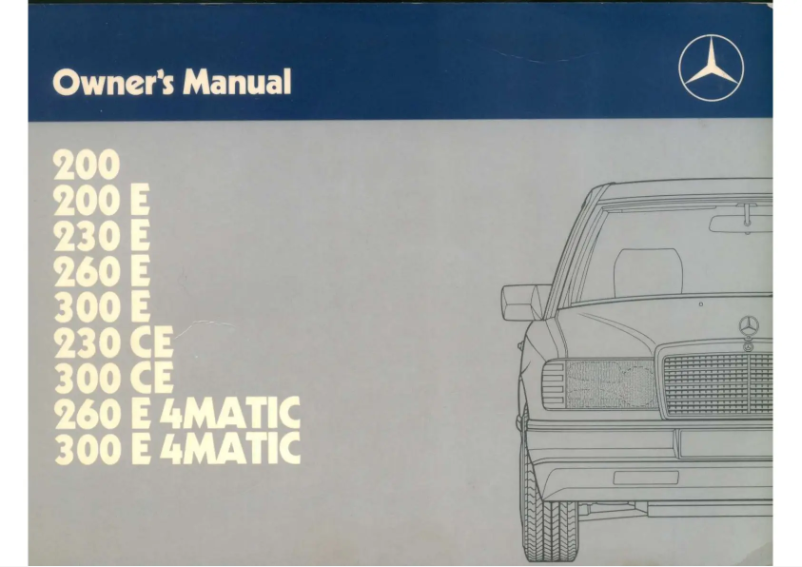
Editorial note
The Mercedes-Benz 300 CE (1988) is a car that embodies luxury and quality, thanks to its timeless and elegant design. Its refined aesthetics attract classic car enthusiasts, making this model an appealing choice for those seeking a vehicle with a distinctive style. In terms of performance, this vehicle stands out with its powerful and reliable engine, offering a pleasant and responsive driving experience, which is essential for a satisfying driving experience. The interior comfort is also a strong point, with high-quality materials and ergonomic features that ensure a pleasant experience behind the wheel. However, it is important to note that the maintenance cost of the Mercedes-Benz 300 CE can be high. Replacement parts and repairs may deter some buyers, as well as the relatively high fuel consumption compared to newer models. Additionally, due to its age, some components may become obsolete, complicating the search for specific parts or repair services. Finally, although the brand's reputation for durability makes it a long-term investment, the passive and active safety of the vehicle may seem inferior to that of modern cars. This could raise concerns for safety-conscious buyers. In summary, the Mercedes-Benz 300 CE (1988) is a car that combines elegance, performance, and comfort, but should be considered with caution due to its maintenance costs and certain limitations in terms of safety and reparability.Score details
Design
The timeless and elegant design of the Mercedes-Benz 300 CE (1988) perfectly represents the luxury and quality of the brand, making it a very attractive model.
Performance
Optimal performance thanks to a powerful and reliable engine offers a pleasant and responsive driving experience, which is a major asset for this vehicle.
User experience
Superior interior comfort with high-quality materials and ergonomic features ensures a pleasant driving experience.
Value for money
Although the brand's reputation for durability makes it a long-term investment, the high maintenance costs and fuel consumption may reduce its appeal for some buyers.
repairability
Due to its age, some components may become obsolete, making the search for specific parts or repair services more difficult.
safety
The vehicle's passive and active safety may be inferior to that of newer cars, which may raise concerns for safety-conscious buyers.
Advantages
Elegant and timeless design
Powerful and reliable performance
Comfortable and high-end interior
Recognized durability and longevity
Accessible user manual
Disadvantages
High maintenance costs.
Significant fuel consumption.
Spare parts hard to find.
Outdated comfort and technology.
Safety inferior to recent models.
Technical Specifications 300 CE (1988)
General Information
-
Model300 CE (1988)
-
Brand
-
Category
-
Type
-
SKU90190
-
MPN90190
Frequently Asked Questions
How do I convert miles to kilometers?
Where is the VIN number located on my Mercedes-Benz?
What is the VIN identification number?
How often should I have my Mercedes-Benz serviced?
When is it advisable to change the brake fluid in my Mercedes-Benz?
What is the difference between E10 and E5 gasoline?
What should I do if one or more doors do not open from the inside?
My car radio won't turn on, what should I check?
How do I properly adjust the seat in my Mercedes-Benz 300 CE (1988)?
How can I diagnose the electrical system of my Mercedes-Benz 300 CE (1988)?
What tire pressure is recommended for my Mercedes-Benz 300 CE (1988)?
How do I replace a faulty headlight bulb on my Mercedes-Benz 300 CE (1988)?
How do I use the air conditioning system in my Mercedes-Benz 300 CE (1988)?
Is the manual for my Mercedes-Benz 300 CE (1988) available in French?
Similar products


More product categories from brand Mercedes-Benz
More product types from brand Mercedes-Benz


Presentation of product 300 CE (1988) specifications from brand Mercedes-Benz
General Information
The Mercedes-Benz 300 CE (1988) is an iconic model from the German brand Mercedes-Benz, known for its commitment to excellence and innovation in the automotive sector. This coupe sedan combines elegance and performance, offering a refined driving experience thanks to its timeless design and high-quality features.
This model is powered by a powerful engine, ensuring optimal performance and responsive driving, making it a preferred choice for luxury car enthusiasts. The interior of the 300 CE is furnished with premium materials, providing unmatched comfort through carefully designed ergonomic features. Additionally, Mercedes-Benz's reputation for durability ensures a long-term investment, enhancing the appeal of this vehicle among enthusiasts.
The 300 CE also comes with a user manual, making it easier for new owners to handle and maintain the vehicle, which is an asset for first-time buyers.
Advantages
- Elegant design: A timeless style that embodies the luxury and quality of the brand.
- Reliable performance: A powerful engine providing a pleasant and responsive drive.
- Superior comfort: Well-equipped interior with high-quality materials.
- Durability: Known for its longevity, making this model a good investment.
- Accessibility: User manual included to simplify maintenance.
Disadvantages
- Maintenance costs: Repairs and spare parts can be expensive.
- Fuel consumption: Relatively high compared to newer models.
- Obsolete components: Some electronic and mechanical parts may be hard to find.
- Outdated technology: Modern features may seem outdated to some drivers.
- Safety standards: Passive and active safety may be lower than that of contemporary vehicles.


